
Illia Djadi: “Africa, the Forgotten Crisis”
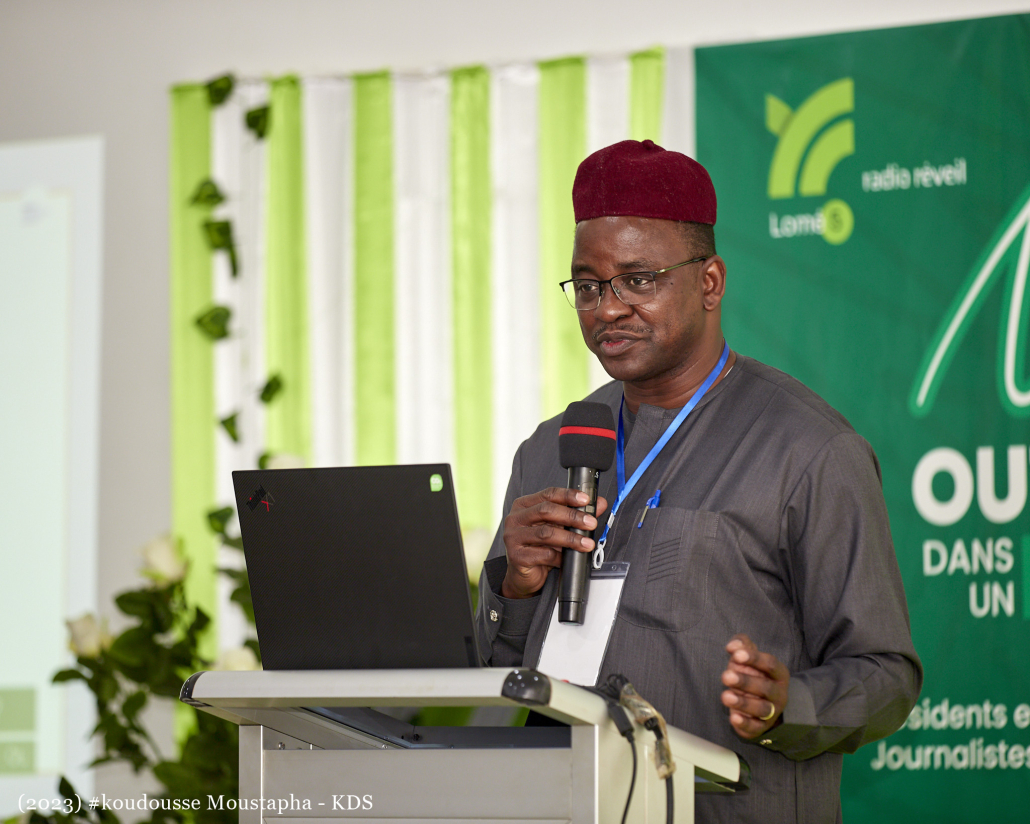
While African leaders recently gathered in Addis Ababa for the African Union summit, the continent is engulfed in a growing security crisis that largely goes unnoticed by Western media. From the Sahel to Sudan, violence, insurgencies, and instability are pushing millions to the brink. This is a situation the West can no longer afford to ignore, not only out of moral obligation but also due to long-term strategic interests. Analysis by Illia Djadi, a FOMECAF leadership member and senior analyst for the NGO Open Doors in London.
An Alarming Escalation of Violence
The spread of conflicts across Africa has reached alarming proportions. West and Central Africa have become hotbeds of violence, with a significant rise in Islamist insurgencies and terrorist activities. The Sahel is now the new epicenter of global terrorism, as jihadist groups exploit weak states, porous borders, and local grievances to expand their influence. Countries like Mali, Burkina Faso, and Niger are in turmoil, with civilians bearing the brunt of the violence.
Ignored Humanitarian Crises
This increase in conflicts has triggered devastating humanitarian crises, particularly in Nigeria, Sudan, and the Democratic Republic of Congo. Millions of people are displaced, and thousands have been killed in brutal conflicts. Refugee camps are overflowing, human rights violations are widespread, and humanitarian aid organizations are overwhelmed by the scale of the needs. Yet, despite this immense human suffering, the crisis barely registers on the radar of Western policymakers.
Millions of people are displaced, and thousands have been killed in brutal conflicts. Refugee camps are overflowing, human rights violations are widespread, and humanitarian aid organizations are overwhelmed by the scale of the needs. Yet, despite this immense human suffering, the crisis barely registers on the radar of Western policymakers.
Illia Djadi
The Deep Roots of Instability
At the heart of this instability lie poor governance and fragile states. Across the continent, weak governments are unable to provide basic services or ensure the security of their populations. Corruption, internal political struggles, and the erosion of democratic norms have left citizens vulnerable and disillusioned. This governance vacuum has allowed insurgent groups to take root, exploiting local frustrations to recruit and expand their control.
When Islamist extremism took hold in Syria and Iraq starting in 2013, the West reacted swiftly and decisively. Today, however, as Islamist caliphates establish themselves in Africa, there appears to be little urgency to intervene and prevent them.
And now, an additional concern is emerging. The United States, for example, has indicated it might reduce USAID assistance. This would be catastrophic for millions of vulnerable people. Humanitarian aid not only saves lives but also helps stabilize fragile regions by providing education, healthcare, and food security—essential tools for preventing radicalization. Without this support, the risk of violent extremism will significantly increase.
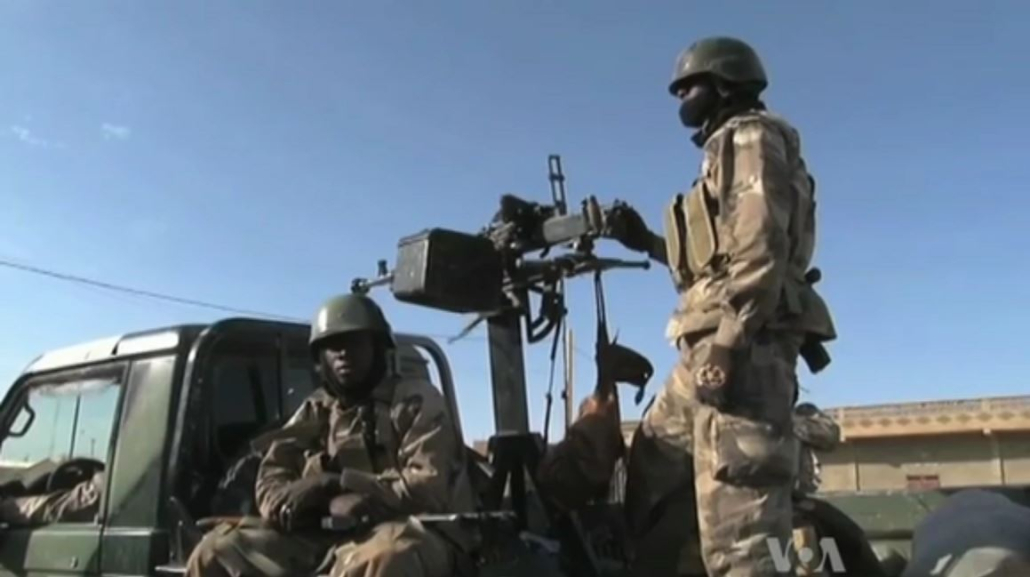
Malian Soldiers in Gao in 2013
The Importance of a Proactive Western Response
The West must recognize that the African crisis is not secondary to others, such as the wars in Ukraine and Gaza—it has direct implications for global security and stability. Instability in Africa fuels human trafficking and drug networks that often lead directly to Europe. Furthermore, as violence forces more people to leave their homes, migratory pressures on Europe will inevitably increase. Ignoring the root causes of these crises will only create a new wave of migration, which Western governments are desperately trying to control.
The West must move beyond rhetoric and engage in long-term partnerships that strengthen African initiatives aimed at addressing challenges in security, governance, and development.
Illia Djadi
There is still an opportunity for meaningful engagement. The African Union summit provides a platform for African leaders to chart a path towards peace and stability, but they cannot succeed without international support. The West must move beyond rhetoric and engage in long-term partnerships that strengthen African initiatives aimed at addressing challenges in security, governance, and development.
Towards a comprehensive and inclusive strategy
A comprehensive strategy is urgently needed, including diplomatic engagement, development aid, and security assistance. The West should invest in strengthening institutions, supporting democratic transitions, and promoting inclusive economic growth. It is equally crucial to commit to addressing the root causes of conflicts, such as poverty, inequality, and climate change.
Ignoring the crisis in Africa is no longer an option. The cost of inaction will be measured not only in human suffering but also in global instability. The West must seize this opportunity to support African solutions to African problems. A stable and prosperous Africa is in everyone's interest.
Looking ahead, it is essential to consider how everyone can contribute. Supporting reliable humanitarian organizations, advocating for sustained international aid, and staying informed about the situation are concrete actions that can lead to positive change. Addressing these challenges is not just about helping Africa; it is about working towards a safer and more equitable world for all.
Text freely adapted from its English original published on February 19, 2025, in "The Tablet" under the title « The forgotten crises in Africa » with thanks.

