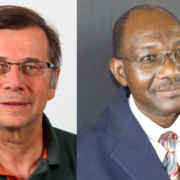
The Sahel, the Epicenter of Global Terrorism: A Conference in Geneva
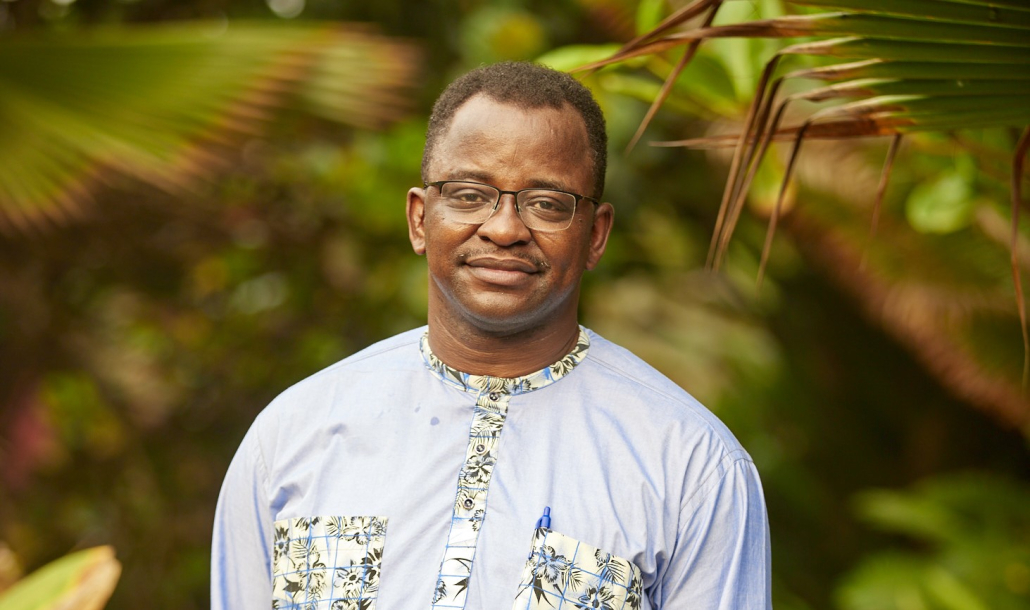
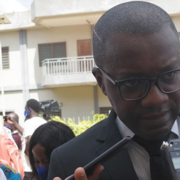
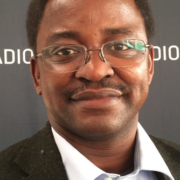
On the sidelines of the conference to be held on Thursday, March 27, 2025, at 6:30 p.m. at the University of Geneva, Uni Mail, Room MS150, Illia Djadi, a member of our association, was invited to appear on a program on Swiss National Radio (RTS). He provided context on a region that, for the first time, accounts for “more than half of all terrorism-related deaths , ” according to the Global Terror Index (GTI). Burkina Faso tops this index. The urgency of the work carried out by Médias Ébène through the media—as a means of promoting social cohesion—is more pressing than ever.
For several years now, this region—which stretches across Africa from east to west (primarily Mali, Niger, Burkina Faso, Chad, and Mauritania) has seen an alarming rise in jihadist groups such as the Islamic State in the Greater Sahara (ISGS), Jama’at Nusrat al-Islam wal-Muslimin (JNIM, affiliated with Al-Qaeda), and Boko Haram in the Lake Chad basin.
Several factors contribute to this situation:
- The fragility of states and the lack of control over vast territories
- Governance crises and political instability (recent coups)
- Intercommunal conflicts that terrorists exploit
- Poverty and the lack of economic opportunities
- Climate change, which exacerbates tensions over resources
The withdrawal of Western forces (particularly French forces, following the end of Operation Barkhane) and strained relations with regional organizations have created a security vacuum. At the same time, the influence of groups such as Wagner (now Africa Corps) has grown in the region.
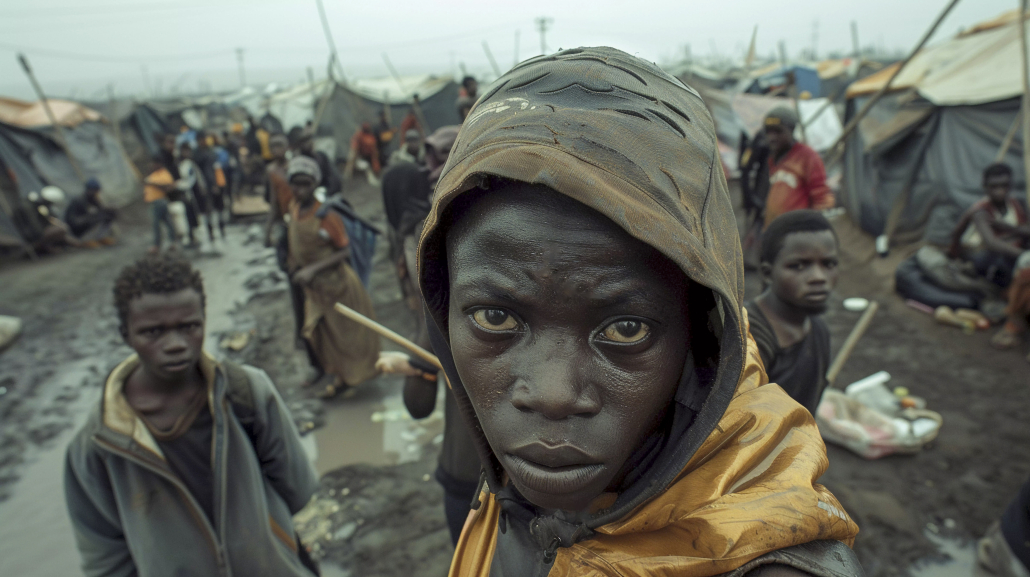
This concentration of terrorist activity, combined with its geographic expansion into coastal countries such as Benin, Togo, and Côte d’Ivoire, justifies viewing the Sahel as a new epicenter of global terrorism.