
"Shock Waves" Series: RED in Burkina Faso, the "Pastor" of Orphaned Areas
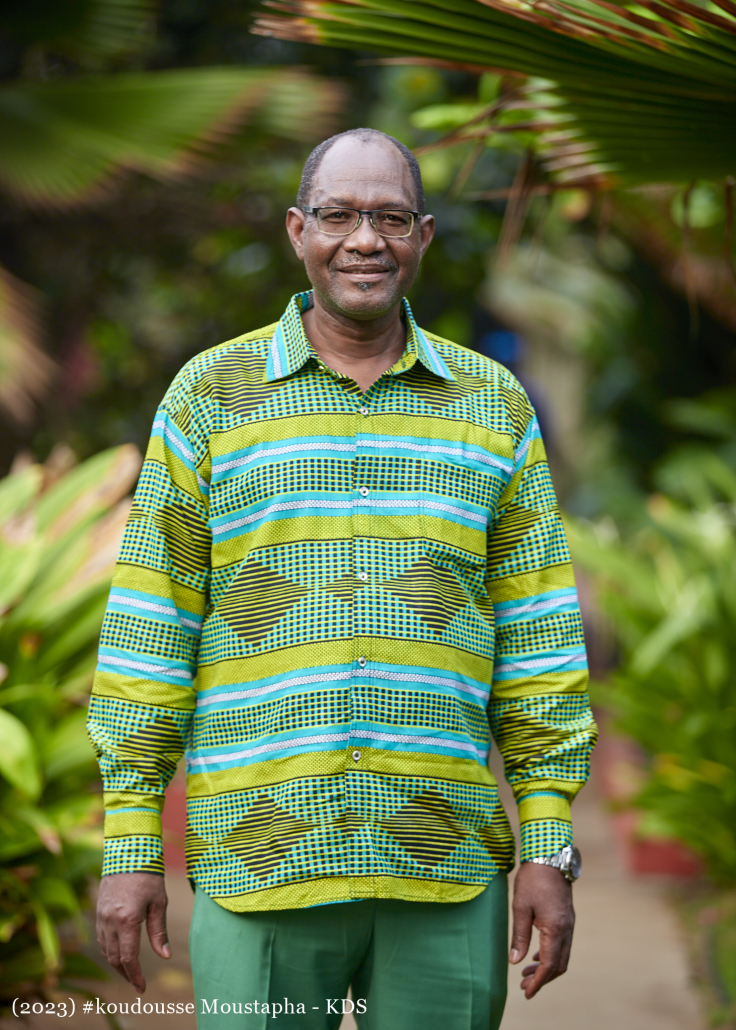
Since 2015, Burkina Faso has been facing a dramatic resurgence of jihadist attacks, plunging several parts of the country into chronic insecurity. In the midst of this turmoil, the Radio Évangile Développement (RED) network, with its eight stations scattered across the country, is striving to maintain a vital connection with the local populations. While the studios in Ouagadougou remain relatively secure, the stations in Ouahigouya and Yako in the north, and the one in Fada N’Gourma in the east, operate under constant surveillance and vigilance.
Filling the void left by the absence of churches
The most striking impact of this security crisis has been the forced closure of more than a hundred churches—perhaps even more—in the northern and eastern regions. Amid this spiritual void, radio has taken on a new dimension, evolving from merely a medium of communication to a true “pastor,” a counselor, and an indispensable means of communication. Etienne Kiemdé recounts poignant scenes of Christians—often new converts—deprived of places of worship, who now gather around a simple radio to listen to the Gospel message together.
Resilience in the Face of Insidious Threats
Unlike other regions in Africa, the RED network has not yet suffered any direct physical damage, although the Houndé station had to temporarily close for 24 hours as a safety precaution following an attack on the nearby gendarmerie base. However, pressure is being exerted in a more insidious way through what could be described as indirect threats. This takes the form of anonymous calls to the station criticizing programs or attempting to intimidate staff, as well as efforts by certain radical groups to prevent the public from accessing the radio’s frequencies.
A Message of Social Cohesion and the Future
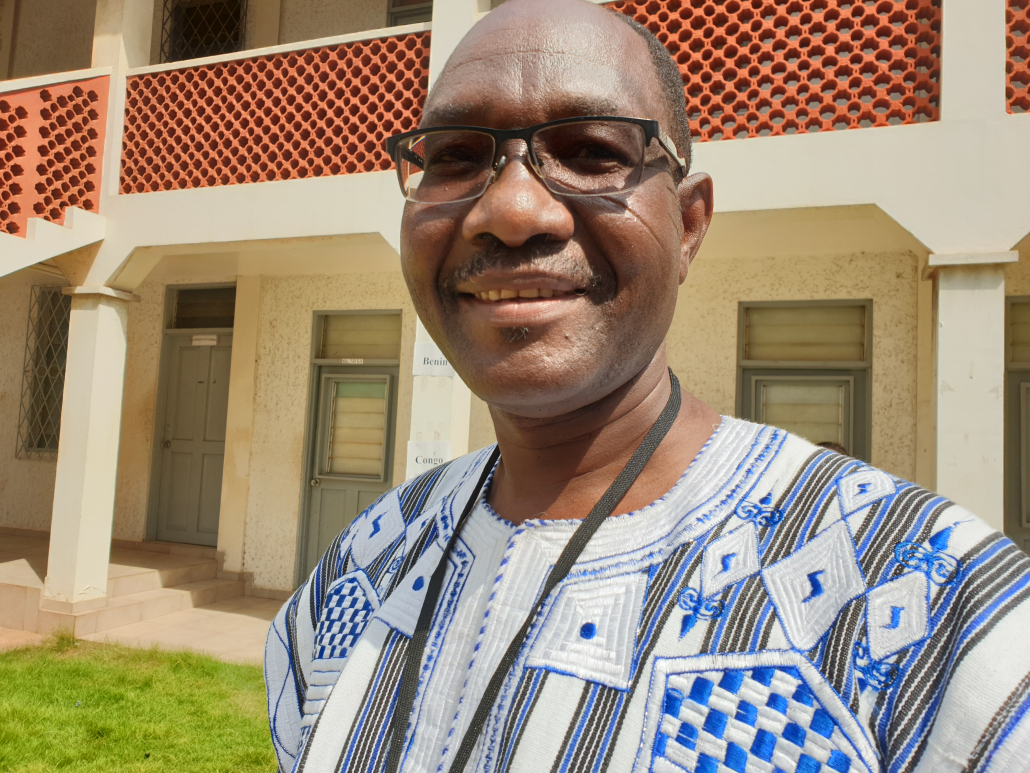
In the face of those who might oppose calls for peace, Etienne Kiemdé maintains a firm stance centered on the concept of “Radio Intégrale,” whose goal is to spread the Gospel while building up the community. The programs have been specifically adjusted to emphasize peace, social cohesion, and dialogue—essential elements for enabling the region’s sons and daughters to live together and join hands.
Although recent statistics suggest that a large portion of the territory—about 70% to 75%—has been reclaimed by the government, a certain sense of unease persists regarding the true stability of the future and the fear that violence will resume. For Etienne Kiemdé, radio remains the last line of defense against darkness and an irreplaceable tool capable of overcoming physical barriers in places where pastors can no longer physically go.

